Shiny Metal Chrome Texture Backgrounds for Modern Graphics
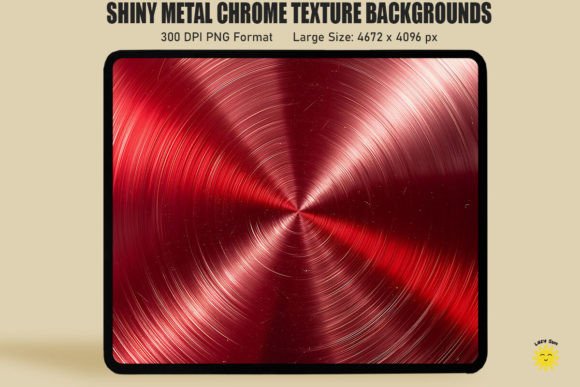
When I first opened the folder of Shiny Metal Chrome Texture Backgrounds, my immediate reaction was one of professional intrigue. As a brand designer who has spent years crafting identities for local businesses, from artisanal bakeries to boutique skincare lines, I know that texture is not just decoration; it is a mood setter. These graphics do not scream for attention in a chaotic way; instead, they whisper sophistication and reliability. The visual language here suggests a brand personality that is sleek, modern, and undeniably premium. For a small business owner looking to elevate their product presentation, this asset offers a level of polish that often requires expensive photography or custom illustration to achieve.
The specific qualities of these Metallic Backgrounds create an atmosphere of high-end craftsmanship. Whether you are designing for a coffee shop wanting to emphasize the purity of their beans or a handmade soap maker aiming to convey luxury ingredients, the Brushed Aluminium Texture provides a neutral yet striking canvas. It feels clean, precise, and contemporary. This is not a rustic or organic vibe; it is a forward-thinking aesthetic that signals quality control and attention to detail. When placed behind a logo or a product name, it instantly communicates that the business cares about the finer points of its identity.
Elevating Local Business Branding with Premium Visuals
In the crowded marketplace where local businesses compete for shelf space and social media scrolls, the difference between being noticed and being ignored often comes down to visual hierarchy. Using these Chrome Texture files allows a designer to establish a stronger first impression immediately. Imagine a bakery owner launching a new line of gourmet cookies. By applying a subtle metallic gradient as a backdrop on their packaging labels, the product jumps off the shelf with a sense of exclusivity. It transforms a standard cardboard box into a branded experience.
This graphic design asset is incredibly versatile across various touchpoints. For a food business, it works beautifully on menu graphics, price lists, and promotional flyers. The reflective quality mimics light hitting a real surface, adding depth to flat designs. For a boutique store selling handmade jewelry, these backgrounds can serve as hero graphics on website banners or Instagram stories. They provide a consistent visual thread that ties together disparate marketing materials, resulting in a more cohesive brand identity. When customers see the same high-quality texture on a business card, a hang tag, and a digital ad, their trust in the brand solidifies.
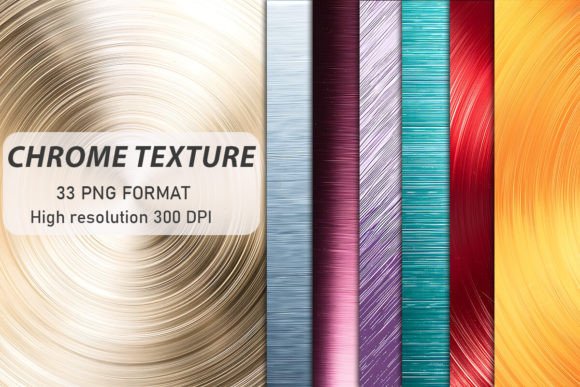
The inclusion of 33 distinct PNG files ensures that there is enough variety to keep a campaign fresh without losing thematic consistency. You might use a darker, deeper chrome tone for evening wear promotions or a lighter, brushed variant for morning coffee blends. This flexibility supports better product recognition because the texture becomes synonymous with the brand itself. In the world of small business branding, consistency is key to building a memorable presence.
Strategic Applications for Packaging and Promotional Materials
The practical utility of these Backgrounds extends far beyond simple web headers. For product sellers, especially those dealing in physical goods, packaging is the most critical moment of truth. A well-designed label can justify a higher price point by suggesting superior quality. These textures are perfect for creating accents on product labels, wrapping paper designs, or even the interior lining of gift boxes. When used on thank-you cards included in shipments, they leave a lasting positive emotional connection with the customer.
For marketers and social media managers, these assets are gold mines for seasonal campaigns. During holidays like Christmas or Valentine's Day, a metallic finish evokes celebration and gifting. You can layer these textures over photos of products to create stunning mockups that look ready for print. Instead of taking costly photoshoots for every new product launch, you can use these design assets to simulate a high-end retail environment. This approach saves time and budget while maintaining a professional appearance. Whether you are creating printable inserts for a home decor shop or promotional ads for a children's product brand, the ability to add a layer of metallic sheen elevates the perceived value of the entire project.
The resolution of approximately 4672 x 4096 pixels means that these files are robust enough for large-format printing. You can scale them up for posters without losing clarity, ensuring that your professional branding remains sharp whether viewed on a smartphone screen or a storefront window display. This technical capability is essential for anyone serious about producing high-quality marketing visuals.
Navigating Design Challenges and Best Practices
While the potential of these Shiny Metal Chrome Texture Backgrounds is vast, a seasoned designer knows that context is everything. There are specific scenarios where this style must be handled with care. For instance, if you are working on formal corporate branding for a law firm or a medical practice, the playful shine might feel out of place unless used very subtly. Similarly, for brands that adhere to a strict minimalist philosophy, a heavy texture could clutter the design and distract from the core message.
Careful consideration is also required when placing text over these backgrounds. If the texture is too busy or the contrast is too low, legibility suffers. On very small labels, such as those for spice jars or essential oils, the intricate details of the brush strokes might blur, making the design look muddy rather than crisp. In layouts where ingredient lists or legal information are dense, using this texture as a background can compete with the necessary text, violating principles of clear visual hierarchy. In these cases, it is better to use the texture sparingly as a border or a subtle accent rather than a full-field background.
To get the most out of this asset, I recommend testing it against various font styles. Pairing the modern, industrial feel of the metal with a classic serif font can create a sophisticated, editorial look suitable for luxury goods. Conversely, combining it with a bold sans-serif font can yield a trendy, urban aesthetic perfect for streetwear or tech accessories. Handwritten fonts can add a human touch to the otherwise cold metal, bridging the gap between handmade warmth and industrial precision.
Essential Technical Checks Before Finalizing Your Project
Before committing to a final design, there are several practical steps any creative entrepreneur should take. First, always preview the design on a real packaging mockup. Seeing the texture applied to a 3D container gives a true sense of how the light will interact with the printed surface. Second, check the design in black and white. If the texture disappears or loses impact without color, it may not be providing enough structural support to the layout. Third, test the file with your specific brand colors to ensure harmony rather than clash.
It is also crucial to inspect the transparency of the PNG files. Clean edges are vital for professional results, especially when layering over other elements. If you are using Canva templates or other drag-and-drop tools, ensure the background integrates seamlessly. Finally, confirm the commercial license before using these graphics for client work or physical product sales. Understanding the usage rights protects your business and ensures you are ethically sourcing your digital products.
By thoughtfully integrating these Metallic Backgrounds into your workflow, you can transform ordinary designs into compelling brand narratives. Whether you are a local business owner, a packaging designer, or a creative marketer, the right texture can make all the difference in capturing the attention of your audience and building a reputation for excellence.