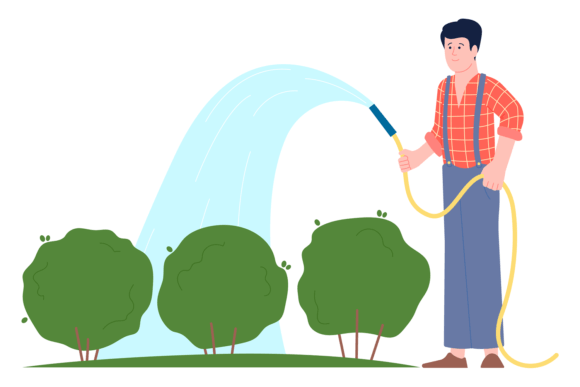
Man Watering Bushes from Hose. Gardening
I have spent years reviewing embroidery files for my own boutique and for clients who run successful craft businesses. Most designers are looking for that perfect balance between artistic charm and technical viability. Today, I am evaluating a specific asset titled Man Watering Bushes from Hose. Gardening. At first glance, it looks like a standard illustration, but the real question is: how does this translate into a tangible, stitched reality? After mentally mapping out several potential projects, from nursery decor to custom aprons, here is my honest assessment of whether this design deserves a spot in your digital library.
The First Impression and Mood
When you open a file labeled as an Illustrations or Graphics type, you are often met with complex vector art that promises detail but delivers frustration on the hoop. This design, however, carries a distinct mood. It evokes a sense of calm, routine, and connection to nature. The subject matter—a man watering bushes—is inherently wholesome. It feels less like a generic clipart image and more like a snapshot of a peaceful afternoon.
The visual personality is clean and focused. Because the original source is described as isolated on a white background, the composition likely relies on strong lines and clear shapes. For an embroidery designer, this is crucial. A design that works well as a flat graphic often fails when converted to thread because of lost details. If the Man Watering Bushes from Hose. Gardening illustration maintains its clarity without excessive tiny elements, it has the potential to be a versatile piece for both personal hobbyists and professional decorators. It feels right at home in a garden-themed setting, suggesting it belongs on items that celebrate outdoor living and domestic care.
Real-World Application Scenarios
To truly understand the value of this design, we need to look at how it performs in actual production. Imagine I am preparing a custom order for a client who runs a small plant shop. They need a branded tote bag for their customers. This is where Man Watering Bushes from Hose. Gardening shines. The imagery of tending to plants pairs perfectly with a gardening supply business. When stitched onto a canvas tote, the design acts as a badge of identity, signaling that the user appreciates the work behind the greenery.
Consider another scenario: a baby shower gift for a family expecting a child outdoorsy types. A soft sweatshirt embroidered with this scene could become a cherished keepsake. The narrative of "watering" and "growing" aligns beautifully with raising a new baby. In this context, the design isn't just a picture; it is a story about nurturing life. For Etsy sellers or small shop owners, this kind of thematic resonance is gold. It allows you to market a product not just as a garment, but as a sentimental item that fits a specific lifestyle.
I also see potential for holiday gifts. During spring or summer seasons, a kitchen towel featuring this motif would make a practical yet thoughtful present for a hostess or a gardener. Unlike generic floral patterns, this figure adds a human element that makes the finished product feel more personal and engaging. It transforms a standard utility item into a conversation starter.
Technical Challenges and Where to Be Careful
While the concept is strong, every machine embroidery design comes with caveats. My primary concern lies in the translation of the original vector art into stitches. If the illustration contains fine lines representing water droplets or delicate leaves, these might get lost in dense fill stitches or create bulk on thinner fabrics. You must be cautious when placing this design on textured fabrics or stretchy materials like jersey knit, which can distort the shape of the man or the hose.
Hoop size is another critical factor. If the design is intended for a small patch or a hat, the level of detail must be simplified. Small hoop sizes often struggle with complex illustrations unless they are heavily digitized with running stitches rather than heavy satin fills. If the file includes intricate corners or tiny lettering (if any), those areas will be the first to fail during stitching. Furthermore, if you plan to use this on dark fabric, the contrast of the thread colors becomes paramount. Without knowing the exact thread palette provided, I would advise testing the colorway against the fabric before committing to a full production run.
Dense stitch areas can also cause puckering, especially on lightweight cotton or linen. If the design features large blocks of fill stitch to represent the bushes or the clothing, proper stabilizer usage is non-negotiable. Skipping this step could result in a warped final product that looks unprofessional, undermining the trust of your customers.
Impact on Visual Appeal and Brand Value
In the world of handmade products and commercial embroidery, the quality of the finish dictates the perceived value of the item. A well-executed Man Watering Bushes from Hose. Gardening design elevates a simple tote bag or cap into a premium item. It signals attention to detail and a cohesive brand message. Customers are willing to pay more for goods that look professionally crafted and tell a clear story.
Conversely, a poorly executed version—where threads bunch up or details disappear—can damage your reputation as an Etsy seller or craft business owner. Clarity is key. The design needs to maintain its visual appeal even after multiple washes. If the stitch density is too high, the fabric may stiffen, reducing the comfort of the apparel. If it is too low, the image may look sparse and cheap. Finding this balance is what separates a good design from a great one.
Practical Designer Notes for Success
Before you rush to load this file into your machine, there are essential steps to ensure a flawless outcome. First, always test the design on scrap fabric that matches your final project material. This allows you to check the thread color contrast and inspect how the satin stitch, fill stitch, and running stitch interact with the weave of the cloth.
Review the stitch density carefully. High-density designs require heavy-duty stabilizers to prevent the fabric from pulling or tearing. Confirm the recommended hoop size for your specific machine; trying to force a large design into a small hoop can lead to misalignment and ruined garments. If the file includes various formats like EPS, JPG, SVG, or transparent PNG, remember that only the embroidery-specific format (usually PES, DST, or XXX) should be used for stitching. The other files are likely for mockups or digital previews.
Inspect the small details under magnification. Are there any stray points or overly thin lines that might not hold up? Test the design in black and white mockups to see if the composition holds together without relying on color. Compare how it looks on light versus dark backgrounds, ensuring the thread choices provide enough separation. Finally, verify the licensing terms explicitly. Ensure you have the rights to sell finished items made with this embroidery file if you intend to use it for commercial purposes. Many digital assets come with restrictions that vary by creator.
Ultimately, Man Watering Bushes from Hose. Gardening offers a charming and practical option for anyone looking to add a touch of nature to their textile projects. By approaching it with careful planning and realistic expectations, you can turn a simple illustration into a standout finished product that resonates with buyers and brings joy to users.