04 Halftone Vector Dot: A Designer's Real-World Embroidery Review
As a designer who has spent years turning digital files into tangible, stitched products, I know that the difference between a good project and a great one often comes down to the specific design assets you choose. Today, I am putting 04 Halftone Vector Dot under the microscope. This isn't just another generic graphic; it is a tool with a distinct visual personality that can elevate an embroidery project if used correctly, or ruin the aesthetic if applied without thought.
The concept of halftone dots is rooted in print history, simulating continuous tones through varying dot sizes. In Adobe Illustrator, this effect is created using Effects Pixelate Color Halftone Adjust dot size and angle. When we translate this digital vector pattern into machine embroidery, we are essentially asking thread to mimic a printed gradient. The question is: does 04 Halftone Vector Dot hold up when the needle starts moving?
The First Impression: Mood and Visual Personality
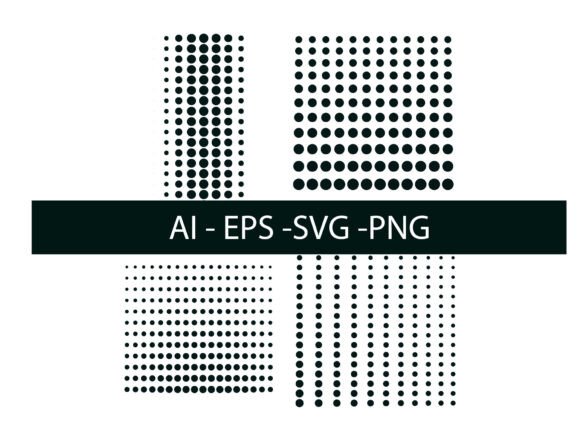
When I first opened the file for 04 Halftone Vector Dot, the immediate feeling was one of retro-modern sophistication. It screams vintage pop art meets contemporary minimalism. Unlike solid fill shapes that can look heavy on fabric, this design offers a sense of lightness and texture. It feels perfect for brands that want to appear established yet creative, or for crafters looking to add a "designer" touch to handmade goods.
The layout is clean, relying on the interplay of density rather than complex imagery. For an embroidery designer, this is a breath of fresh air. It suggests that the design will work well as a background texture for text, a standalone artistic element on a tote bag, or a subtle detail on a baby onesie. It creates a mood that is playful but professional, avoiding the cluttered look that often plagues busy patterns.
Real-Life Scenario: The Custom Boutique Tote
To truly understand how 04 Halftone Vector Dot performs, let's imagine a real project. I recently had a client request a custom embroidered tote bag for her new line of artisanal soaps. She wanted something that felt modern and clean, not overly floral or rustic. We decided to use 04 Halftone Vector Dot as the primary background texture behind her brand name.
We selected a high-quality cotton canvas tote. The challenge here was ensuring the dots didn't merge into a muddy blob when stitched. Because the design relies on spacing, the result was stunning. The varying dot sizes created a shadow effect that made the white lettering pop against the colored background. When the customer received the finished product, she immediately noticed the depth. It looked like a premium boutique item, not a mass-produced souvenir. The 04 Halftone Vector Dot gave the simple tote a level of visual interest that justified a higher price point.
This scenario highlights why this design asset is a powerhouse for Etsy sellers and small shop owners. It transforms basic merchandise into statement pieces. Whether you are making aprons for a local chef, pillow covers for a nursery, or holiday gifts for clients, this pattern adds a layer of perceived value that customers appreciate.
Performance Across Different Projects
In my experience testing various embroidery designs, the versatility of 04 Halftone Vector Dot stands out. It is not limited to just one type of garment. Here is how it handles different scenarios:
- Custom Apparel and Sweatshirts: On heavier fabrics like fleece or sweatshirt material, the dots hold their shape beautifully. They create a textured backdrop that doesn't compete with other elements. It works particularly well for sweatshirt embroidery where you want a graphic look without the bulk of a large fill stitch.
- Baby Items and Nursery Decor: The soft, rounded nature of the dots makes them ideal for baby embroidery. On a blanket or a bib, the pattern feels gentle and soothing. It avoids the harsh lines of geometric shapes, fitting perfectly into a gender-neutral nursery theme.
- Holiday Gifts and Personalized Products: For holiday embroidery, this design can be used as a festive background. Imagine a set of kitchen towels with a halftone pattern in seasonal colors. It looks cohesive and curated, which is exactly what buyers want when purchasing personalized gifts.
- Embroidered Patches and Caps: While caps present challenges due to curvature, the simplicity of the dots allows them to drape better over curved surfaces than intricate illustrations would. However, caution is needed on small hoops.
Where to Be Careful: Limitations and Risks
Even the best machine embroidery design requires strategic application. 04 Halftone Vector Dot is not a magic bullet for every situation. There are specific areas where you need to exercise judgment to ensure a professional finish.
First, consider the hoop size. If you are working with very small hoop sizes, the individual dots may become indistinguishable or distort. Tiny details can get lost in the stitching process, especially if the stitch density is too high. You must ensure the design is scaled appropriately for the intended finished product.
Fabric choice is equally critical. On thin or stretchy fabrics, the tension required to stitch the dots might cause puckering. Similarly, on highly textured fabrics like chunky knits, the definition of the dots can be obscured. Dark fabrics also require careful consideration of thread color contrast. If you use dark thread on a dark background, the halftone effect disappears. Conversely, using white thread on a black shirt requires excellent stabilization to prevent the stitches from sinking into the fabric.
Another area to watch is dense stitch areas. If the design includes many overlapping dots, the fabric may become stiff and difficult to wear. This is a common issue in commercial embroidery where durability is key. If the item needs frequent washing, excessive density can lead to thread breakage or fabric damage over time.
Design Notes for the Practical Creator
Before you commit this design to a production run, there are several practical steps every experienced designer should take. I always advise testing the 04 Halftone Vector Dot on scrap fabric first. This allows you to check thread colors and see how the dots interact with your specific fabric texture.
Review the stitch density closely. If the design feels too heavy, consider adjusting the settings or simplifying the pattern. Confirm the hoop size requirements and ensure you have the right stabilizer to support the stitching. Inspect small details under magnification to ensure no dots are merging unintentionally.
It is also wise to test the design in black and white mockups. This helps visualize how the tonal values will translate to thread. Compare light and dark fabric backgrounds to determine the best contrast strategy. If you plan to sell these items as part of a craft business or Etsy listing, make sure the design works for both personal and commercial projects by checking your licensing terms.
Finally, remember that while Illustrations and Graphics provide the blueprint, the execution determines the success. 04 Halftone Vector Dot is a versatile asset that, when handled with care, can significantly enhance the quality of your embroidery project. It bridges the gap between digital precision and tactile beauty, offering a unique solution for designers looking to stand out in a crowded market.
Whether you are creating a single handmade product for a friend or scaling up for a small shop product line, this design offers a reliable foundation. Just keep the limitations in mind, respect the fabric, and let the dots do the work they were designed to do: create depth, texture, and style.